Ensuring food safety is a core responsibility for every business involved in food processing, preparation, and service. With millions of people worldwide falling sick from contaminated food each year, preventing foodborne illnesses isn’t just about meeting standards — it’s about protecting lives and building trust with customers. Unsafe food can develop harmful bacteria, parasites, viruses, or chemical contaminants that result in a range of illnesses, from mild discomfort to life‑threatening infections.
For food businesses committed to excellence and safety, engaging with professional resources like MRS Food Safety Consultants can make a significant difference. Explore their comprehensive food safety training and compliance services at MRS Food Safety.
Why Food Safety Matters
Foodborne illnesses pose a real threat in food operations, from production to service. Globally, contamination causes hundreds of millions of illnesses annually and places strain on health systems and economies.
Strong food safety practices protect consumers, maintain compliance with regulations, and help brands avoid costly recalls or reputational damage. Preventing contamination also improves operational efficiency and customer confidence.
Essential Best Practices to Prevent Contamination
To safeguard food across the supply chain and in food service environments, implement these best practices:
1. Maintain Personal Hygiene
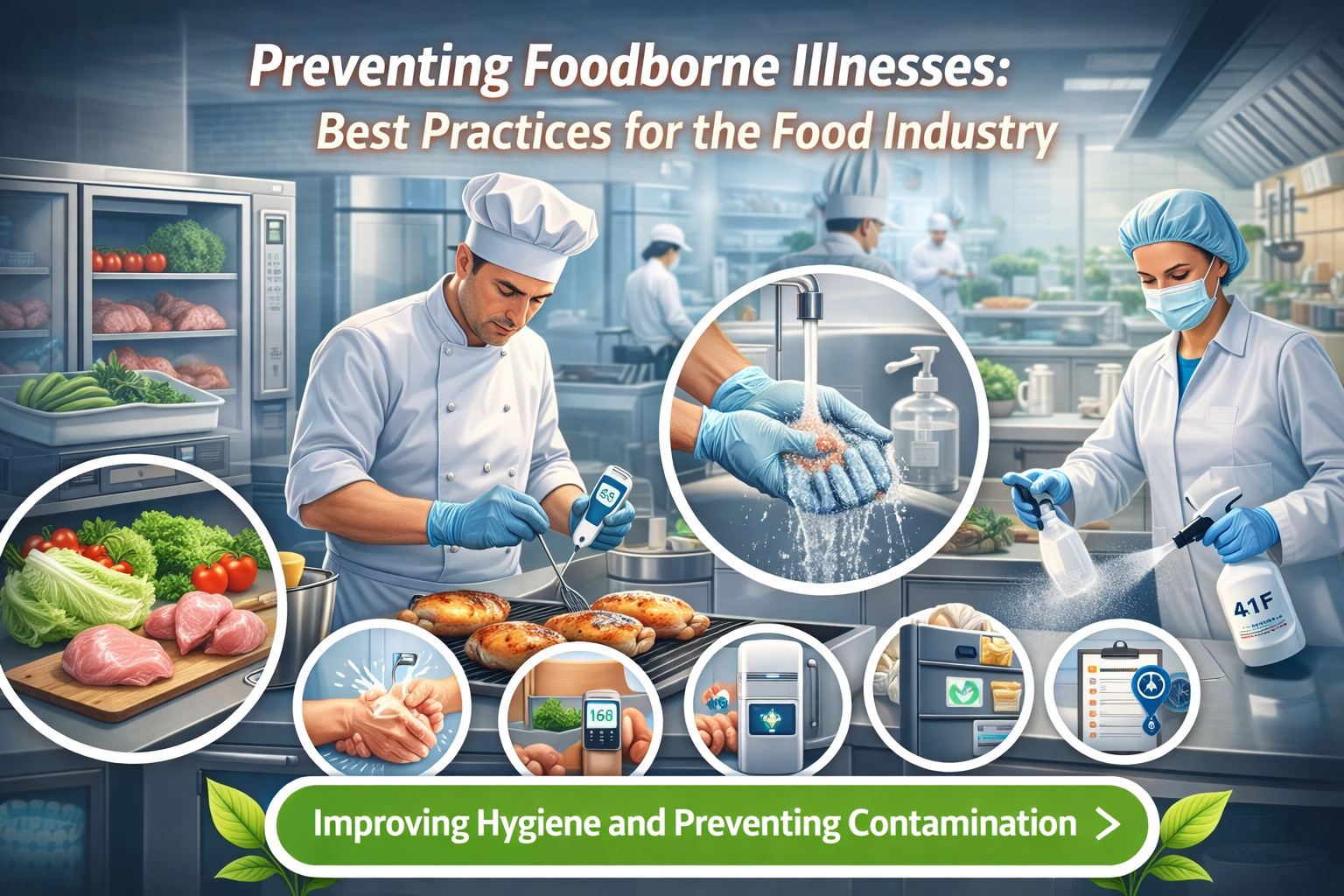
Proper handwashing and cleanliness among all food handlers is the foundation of safe food handling. Staff should wash hands frequently before handling food, after touching raw ingredients, and after breaks. Personal hygiene training is a key part of preventing contamination.
2. Clean and Sanitize Work Areas
All surfaces, utensils, and equipment should be thoroughly cleaned and disinfected on a regular schedule. A clean environment limits bacterial spread and reduces the risk of cross‑contamination.
3. Prevent Cross‑Contamination
Use separate cutting boards, knives, and containers for raw and ready‑to‑eat foods. Keeping raw meat, poultry, and seafood away from other ingredients helps stop harmful pathogens from spreading.
4. Cook to Safe Temperatures
Cooking food to the recommended internal temperature kills harmful bacteria. For example, poultry should reach at least 75 °C internally to be safe to eat.
5. Chill Promptly and Correctly
Food should be chilled promptly after cooking and stored at the correct temperatures. Bacteria grow rapidly in the “danger zone,” roughly between 4 °C and 60 °C, so keeping foods out of this range limits bacterial growth.
6. Follow Certified Food Safety Systems
Implementing certified systems such as Hazard Analysis and Critical Control Points (HACCP) helps food businesses identify risk points and set controls to prevent contamination. Training and certification through food safety programs reinforce these procedures on the ground.
Benefits of Strong Food Safety Practices
Implementing strict hygiene and food safety protocols brings business advantages:
- Reduced risk of foodborne disease outbreaks
- Enhanced regulatory compliance
- Stronger customer trust and loyalty
- Improved reputation in the industry
- Better access to global markets through certification
Investing in food safety systems and staff training not only protects consumers but also supports sustainable business growth.
How MRS Food Safety Supports Your Business
For food industry professionals looking to build or strengthen food safety programs, MRS Food Safety Consultants offers expert training and consultancy services tailored to compliance and hygiene excellence. From basic hygiene training to advanced HACCP implementation courses, their solutions help teams uphold the highest industry standards.
Learn more about their services and how they can help you achieve food safety compliance by visiting MRS Food Safety.
Conclusion
Preventing foodborne illnesses requires diligence, consistency, and a strong commitment to best practices in hygiene and safety. From proper handwashing and thorough cooking to certified training and monitoring controls, every step matters. By adopting these measures and collaborating with food safety professionals, food businesses can protect consumers, comply with standards, and build long‑lasting trust.