

Introduction
In the UAE, summer temperatures often exceed 45°C, creating serious challenges for food businesses. From restaurants and catering services to food distributors, maintaining proper food safety standards becomes more difficult as heat levels rise.
Understanding how extreme weather affects food handling, storage, and transportation is essential for ensuring compliance and protecting public health. This blog explains how high temperatures impact food safety UAE, and what businesses can do to reduce risks.
Why Summer Heat is Dangerous for Food Safety
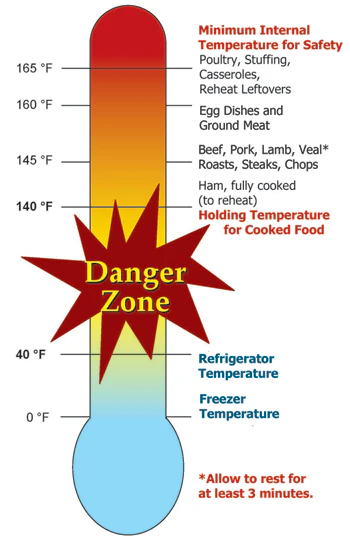
High temperatures accelerate bacterial growth, especially when food is exposed to unsafe conditions. The “danger zone” for food lies between 5°C and 60°C, where bacteria multiply rapidly.
In UAE’s climate:
- Food heats up quickly during transport and storage
- Even short exposure can lead to contamination
- Perishable items spoil faster than usual
This makes strict food safety practices non-negotiable.
Cold Chain Management in Dubai: A Critical Requirement
Maintaining a consistent temperature throughout the supply chain is known as cold chain management Dubai, and it is vital in preventing food spoilage.
Key risks during summer:
- Loading and unloading delays
- Improper refrigerated transport
- Equipment failure under extreme heat
Best practices:
- Use temperature-controlled vehicles
- Minimize door opening during transit
- Monitor temperature in real-time
A single break in the cold chain can compromise the entire batch of food.
Food Storage Compliance in UAE
Food businesses must follow strict food storage compliance UAE regulations to ensure safety.
Required storage conditions:
- Chilled food: below 5°C
- Frozen food: at -18°C or below
- Dry storage: cool and well-ventilated
Common summer mistakes:
- Overloading refrigerators
- Frequent opening of storage units
- Poor airflow inside storage areas
Failure to comply can result in:
- Government penalties
- Food waste
- Damage to brand reputation
Importance of Temperature Monitoring in Restaurants
For restaurants, maintaining accurate records is essential. Temperature monitoring restaurants is not just a best practice, it is a regulatory requirement.
What needs to be monitored:
- Storage temperatures
- Cooking temperatures
- Holding temperatures
Recommended solutions:
- Digital temperature logs
- Automated monitoring systems
- Regular staff checks
This ensures compliance with HACCP standards and helps during inspections.
Impact on Business Operations
Ignoring food safety during summer can lead to serious consequences:
- Increased food spoilage and wastage
- Customer complaints and health risks
- Legal penalties and fines
- Loss of trust and reputation
For food businesses in UAE, prevention is always more cost-effective than dealing with these outcomes.
How to Reduce Food Safety Risks in UAE Summer
To maintain high standards of food safety UAE, businesses should:
- Implement strict cold chain management
- Train staff on summer-specific risks
- Regularly inspect refrigeration systems
- Use real-time temperature monitoring tools
- Follow UAE food safety regulations strictly
Consistency is key to maintaining safety and compliance.
Conclusion
High summer temperatures in the UAE significantly increase food safety risks, making it essential for businesses to adopt proactive measures. From proper cold chain management in Dubai to strict food storage compliance UAE, every step plays a role in ensuring safe food handling.
By investing in temperature monitoring systems and following best practices, food businesses can protect their customers, maintain compliance, and operate confidently even in extreme heat conditions.